 Shipping happiness to all over India
 Extra savings on combo orders

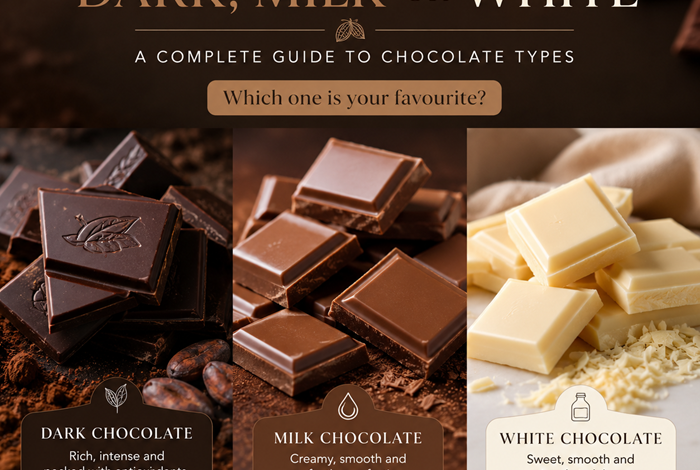

Chocolate is more than just a sweet treat—it’s a world of flavors, textures, and stories. When you walk into a shop or browse an online collection, you’ll find a dazzling range of choices. But what are the main types of chocolate, and how do you know which one to choose? In this guide, we’ll explore the origins, characteristics, and benefits of dark, milk, and white chocolate, giving you the knowledge to select your favorite or try something new.
Understanding the Main Types of Chocolate
Chocolate comes in many forms, but the three main varieties you’ll encounter are dark, milk, and white chocolate. Each has a distinct recipe and flavor profile. The differences between them start with the cocoa content, the type of milk or dairy used, and the amount of sugar added. Let’s break down the basics:
| Chocolate Type | Main Ingredients | Typical Cocoa % | Flavor Profile |
|---|---|---|---|
| Dark Chocolate | Cocoa solids, cocoa butter, sugar | 50-90% | Rich, intense, slightly bitter |
| Milk Chocolate | Cocoa solids, cocoa butter, milk, sugar | 20-50% | Creamy, sweet, mellow |
| White Chocolate | Cocoa butter, milk, sugar, vanilla | 0% (no solids) | Sweet, smooth, vanilla notes |
These types of chocolate differ not just in taste, but also in how they’re used and appreciated around the world. The focus keyword ‘types of chocolate’ covers all three, but it’s important to understand their unique qualities.
Dark Chocolate: Intense and Rich
Dark chocolate is often loved by those who seek a bold, deep flavor. It’s made primarily with cocoa solids, cocoa butter, and a touch of sugar. The absence of milk gives it a more pronounced cocoa flavor and often a firmer texture.
What Makes Dark Chocolate Special?
- High Cocoa Content: Ranges from 50% to 90%, leading to a robust flavor.
- Minimal Ingredients: Typically contains no milk solids, making it suitable for many who are lactose intolerant.
- Bitterness and Sweetness: The higher the cocoa percentage, the less sweet and more bitter the chocolate.
Dark Chocolate Benefits
Dark chocolate isn’t just tasty—it’s also linked to several health benefits:
- Rich in Antioxidants: Contains flavonoids that help fight cell damage.
- May Improve Heart Health: Some studies suggest that moderate consumption can support heart health by lowering blood pressure.
- Potential Mood Booster: Dark chocolate can stimulate the production of endorphins, the feel-good hormones.
For those interested in the science, the Wikipedia page on chocolate provides a detailed look at its history and health research.
When to Choose Dark Chocolate
Opt for dark chocolate when you want a more intense, less sweet experience, or when baking recipes that call for robust cocoa flavor. It also pairs well with bold flavors like coffee, red wine, and certain fruits.
Milk Chocolate: Creamy and Comforting
Milk chocolate is the classic favorite for many. It’s made by adding milk or milk powder to the basic chocolate recipe, resulting in a smoother and sweeter taste.
Key Characteristics of Milk Chocolate
- Lower Cocoa Content: Usually between 20% and 50% cocoa solids.
- Creamy Texture: The added milk creates a melt-in-your-mouth sensation.
- Sweet and Mild: Less bitter than dark chocolate, making it appealing to people of all ages.
How is Milk Chocolate Made?
The process starts with mixing cocoa solids and cocoa butter with milk (liquid or powder) and sugar. The mixture is then refined, conched (a process that smooths the chocolate), and tempered for a glossy finish. This results in the familiar, comforting chocolate bar most people know and love.
Milk Chocolate in Everyday Life
Milk chocolate is versatile. It’s used in bars, truffles, spreads, and countless desserts. The creamy sweetness makes it perfect for snacking or gifting. At Deviya Handmade Fusion Chocolates, our signature milk chocolate blends Indian spices and nuts for a unique twist. Explore our chocolate collection for creative milk chocolate fusions.
White Chocolate: Sweet and Silky
White chocolate stands apart due to its pale color and unique taste. Unlike dark and milk varieties, it contains no cocoa solids—just cocoa butter, sugar, milk, and flavorings like vanilla.
White Chocolate Facts
- No Cocoa Solids: This is why white chocolate lacks the deep brown color and intense flavor of other chocolates.
- Cocoa Butter Base: The use of pure cocoa butter gives it a smooth, creamy mouthfeel.
- Sweet and Gentle: Its sweetness is more pronounced, making it a favorite in desserts and confections.
How White Chocolate is Used
White chocolate is popular in baking, especially for drizzling, decorating, and making ganache. It pairs beautifully with berries, citrus, and spices. For a new experience, try our fusion white chocolate treats that combine traditional Indian flavors with creamy cocoa butter.
Is White Chocolate Really Chocolate?
This is a common question. While it doesn’t contain cocoa solids, white chocolate is still considered a type of chocolate because it uses cocoa butter, a key part of the cocoa bean. Learn more about cocoa beans and their role in making chocolate.
Comparing the Types: Taste, Texture, and Use
Each chocolate type brings its own personality to the table. Here’s how they compare:
Taste and Texture
- Dark Chocolate: Bold, slightly bitter, and firm. Best enjoyed in small bites or as a rich ingredient in baking.
- Milk Chocolate: Creamy, sweet, and smooth. Perfect for snacking, making s’mores, or melting into hot chocolate.
- White Chocolate: Lusciously sweet, buttery, and melts easily. Ideal for desserts that need a soft, velvety finish.
Best Uses
- Dark: Baking, pairing with wine or coffee, sophisticated desserts.
- Milk: Everyday treats, chocolate-covered snacks, and gifting.
- White: Frostings, drizzles, or as a delicate addition to fruit-based desserts.
Nutritional Differences
Here’s a quick comparison of common nutritional aspects (per 100g, approximate):
| Chocolate Type | Calories | Sugar (g) | Fat (g) | Notable Nutrients |
|---|---|---|---|---|
| Dark Chocolate | 540 | 24 | 42 | Iron, Magnesium, Antioxidants |
| Milk Chocolate | 535 | 51 | 30 | Calcium, Protein, Vitamin D |
| White Chocolate | 540 | 59 | 32 | Calcium, Vitamin B2, Cocoa Butter |
Remember, moderation is key with any sweet treat!
Choosing the Right Chocolate for Every Occasion
The best chocolate often depends on the moment and the mood. Here are some tips for choosing:
For Gifting
- Milk chocolate is a safe crowd-pleaser for birthdays and celebrations.
- Dark chocolate is perfect for the sophisticated palate or as a thoughtful corporate gift. See our gift boxes for inspiration.
- White chocolate shines in wedding favors and festive desserts—explore our wedding collection.
For Baking and Cooking
- Use dark chocolate for brownies and rich cakes.
- Add milk chocolate to cookies or as a sweet filling.
- Try white chocolate in mousses, cheesecake swirls, or as a topping.
For Health-Conscious Choices
- Choose dark chocolate with higher cocoa content for more antioxidants and less sugar.
- Enjoy milk or white chocolate as an occasional treat, savoring the creamy texture and sweetness.
Frequently Asked Questions About Chocolate Types
What are the main types of chocolate?
The main types of chocolate are dark, milk, and white. They differ in their cocoa content, ingredients, and taste. Dark chocolate is rich and less sweet, milk chocolate is creamy and sweet, and white chocolate is smooth and buttery.
What are some dark chocolate benefits?
Dark chocolate is packed with antioxidants, can support heart health, and may help improve mood. Choose varieties with higher cocoa content for more benefits.
Is white chocolate real chocolate?
Yes, white chocolate is considered real chocolate because it contains cocoa butter, though it lacks cocoa solids. Its flavor is lighter, with sweet and creamy notes.
Conclusion: Savoring the World of Chocolate
From the bold depths of dark chocolate to the creamy embrace of milk and the gentle sweetness of white, there’s a chocolate for every taste and occasion. Whether you’re choosing a treat for yourself, a friend, or a special celebration, knowing the differences helps you make a delicious decision.
Ready to explore the world of chocolate? Shop our unique handmade fusion chocolates and discover your new favorite today!


