 Shipping happiness to all over India
 Extra savings on combo orders

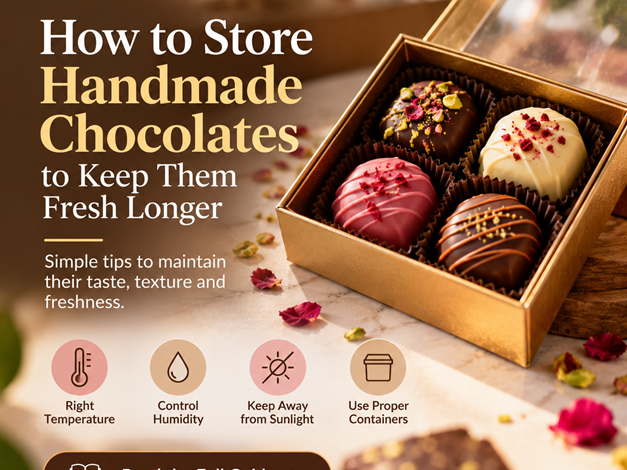

Handmade chocolates are a true delight, offering unique flavors and artistry you won’t find in mass-produced sweets. But because they’re made with fresh ingredients and minimal preservatives, knowing how to store chocolate is essential. With the right care, you can keep your favorite treats from Deviya Handmade Fusion Chocolates tasting just as wonderful as the day you received them.
Why Proper Chocolate Storage Matters
Handmade chocolates are sensitive to their environment. Unlike commercial chocolate bars, which often include additives to extend shelf life, handmade fusion chocolates rely on high-quality, natural ingredients. This is what makes them so flavorful—but also more delicate.
When stored incorrectly, chocolate can lose its shine, develop a white film called “bloom,” or even absorb unwanted odors from its surroundings. Temperature, humidity, and even light can all impact chocolate’s texture and flavor. By following a few simple chocolate storage tips, you can extend the chocolate shelf life and preserve every bite’s original taste.
Understanding the Enemies of Chocolate Freshness
Several factors can shorten the life of your handmade chocolates. Let’s look at the most common culprits and how they affect your sweet treats:
- Heat: High temperatures can cause chocolate to melt, separate, or lose its glossy finish.
- Humidity: Moisture can lead to sugar bloom (a white, powdery appearance) or even mold in extreme cases.
- Light: Direct sunlight or bright artificial light can fade chocolate and alter its flavor.
- Odors: Chocolate easily absorbs strong smells from foods like onions, spices, or even cleaning products.
- Air: Exposure to air can dry out fillings, especially in fusion chocolates with creamy centers.
Being aware of these factors is the first step to keeping chocolate fresh for longer.
The Best Temperature and Environment for Storing Chocolate
One of the most common questions about how to store chocolate is whether it belongs in the fridge. The answer depends on your environment, but generally, chocolate prefers cool, consistent temperatures.
| Chocolate Type | Ideal Storage Temp | Humidity Level | Shelf Life Estimate |
|---|---|---|---|
| Plain Dark Chocolate | 15-18°C (59-64°F) | <50% | 6-12 months |
| Milk Chocolate | 15-18°C (59-64°F) | <50% | 4-8 months |
| Filled/Flavored | 15-18°C (59-64°F) | <50% | 2-4 weeks |
- Keep away from heat sources: Avoid storing chocolate above the fridge, near ovens, or in direct sunlight.
- Stable conditions matter: Fluctuating temperatures can cause cocoa butter to separate, resulting in fat bloom.
- Humidity control: High humidity can spoil chocolate, so a dry environment is best.
If your home is consistently warm, use the refrigerator only as a last resort—and always follow proper steps to avoid condensation.
To Refrigerate or Not? Pros, Cons, and Smart Steps
Sometimes refrigeration is unavoidable, especially in warm climates. Here’s what to consider:
Pros of Refrigeration:
- Can prevent melting in hot environments
- Extends shelf life if your room temperature exceeds 22°C (72°F)
Cons of Refrigeration:
- Risk of condensation when removing chocolate, leading to sugar bloom
- Chocolate may absorb fridge odors
Smart Steps When Refrigerating:
- Seal the chocolate: Wrap it tightly in plastic wrap or place it in an airtight container.
- Protect from odors: Store away from strong-smelling foods.
- Transition gradually: Before eating, let the chocolate come to room temperature in its container to avoid condensation on the surface.
Following these chocolate storage tips helps minimize the downsides of refrigeration and keeps your handmade chocolates tasting their best.
Packaging and Containers: The Right Way to Store
Proper packaging is as important as the environment. Here’s how to choose the right container for keeping chocolate fresh:
- Airtight containers: These prevent air, humidity, and odors from reaching your chocolates.
- Original packaging: If your chocolates came in a sealed box from Deviya Handmade Fusion Chocolates, it’s usually designed for optimal freshness.
- Plastic wrap or foil: For extra protection, wrap individual chocolates before placing them in a container.
- Avoid porous materials: Paper or cardboard boxes may absorb moisture or transfer odors, so only use them if well-sealed.
Tip: If you’ve opened a box but want to save the rest, reseal it tightly with plastic wrap or place the box in a large zip-top bag.
Special Considerations for Filled and Flavored Chocolates
Fusion chocolates, especially those with fresh cream, fruit, or nut fillings, require extra attention. Their shelf life is shorter than plain chocolates, and they’re more sensitive to temperature swings.
- Check the best-by date: Handmade filled chocolates are best enjoyed within 2-3 weeks.
- Refrigerate if needed: If not eating within a few days, store in the fridge using the steps above.
- Avoid freezing: Freezing can change texture and cause fillings to separate.
- Moisture control: Use silica gel packets (not touching the chocolate) in the container to absorb excess humidity.
If you’re gifting chocolates or preparing favors for events, such as wedding favors or corporate gift boxes, ask your chocolatier about the best storage recommendations for your specific selection.
How to Store Chocolate During Travel and Gifting
Transporting handmade chocolates, whether for a special event or as a thoughtful gift, comes with its own challenges. Here are some chocolate storage tips for travel:
- Use insulated bags: These help protect chocolates from heat during short trips.
- Avoid leaving chocolates in cars: Even a few minutes in a hot car can cause melting.
- Pack with care: Place chocolates in a sturdy box to prevent crushing.
- Choose the right timing: If possible, travel during cooler parts of the day.
When gifting, include a note with storage instructions. Your recipient will appreciate knowing how to keep their treat fresh.
Recognizing When Chocolate Has Gone Bad
Chocolate rarely “spoils” in the sense of going rotten, but it can lose quality. Here’s what to watch for:
- Fat bloom: White streaks or spots from separated cocoa butter; safe to eat but affects texture.
- Sugar bloom: Powdery white surface from moisture dissolving sugar; also safe but less appealing.
- Stale or dull aroma: Indicates loss of flavor.
- Odd flavors: If chocolate tastes sour, musty, or off, it may have absorbed odors or gone bad.
Pro tip: If your chocolate shows signs of bloom but smells and tastes fine, it’s still safe to eat. For more information about what’s in your chocolate, check out the science behind this beloved treat.
Frequently Asked Questions About Chocolate Storage
How long do handmade chocolates last?
Handmade chocolates last between 2 to 4 weeks if stored in a cool, dry place. Those with fresh fillings may need refrigeration and should be enjoyed sooner for the best taste.
Is it safe to freeze chocolate to extend shelf life?
Freezing is not recommended for handmade fusion chocolates, as it can affect both texture and flavor. Stick to airtight storage in a cool place or the fridge if absolutely necessary.
Can I leave chocolate out at room temperature?
Yes, if your room stays between 15-18°C (59-64°F) and is not humid. In warmer or more humid environments, refrigeration may be needed. Always keep chocolate away from sunlight and heat sources.
Conclusion: Savor Every Bite With Smart Storage
Storing handmade chocolates the right way means you’ll enjoy every bite at its peak. By understanding the factors that affect chocolate shelf life and following expert chocolate storage tips, you can preserve the beauty, texture, and flavor of your favorite treats from Deviya Handmade Fusion Chocolates.
Ready to experience the perfect fusion of flavor and freshness? Explore our collection of artisanal chocolates and savor every moment—stored the right way.


